
Top 7 Ways Businesses Waste Money on Printing and How to Fix It
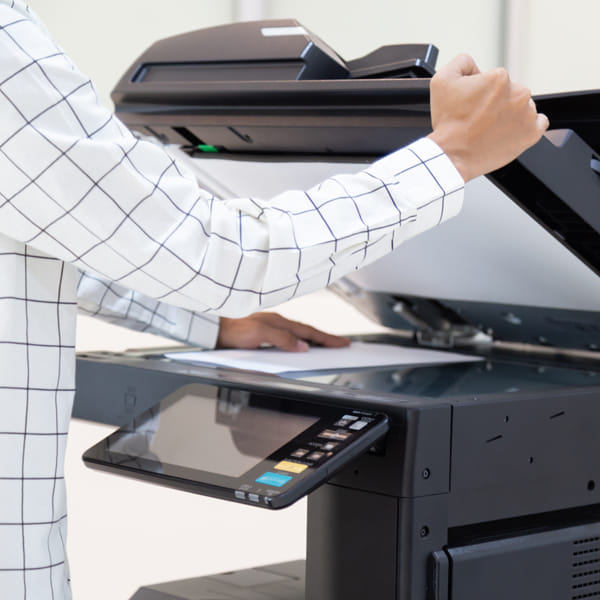
Printing costs have a way of sneaking into a business budget without setting off alarms, largely because the waste tends to show up in small pieces instead of one dramatic bill. A few unnecessary color jobs here, a stack of abandoned printouts there, and an aging machine that constantly needs service can quietly turn printing into a bigger expense than most owners or managers realize. Many companies assume printing is just a fixed operational cost, but that mindset often keeps them from seeing where money is slipping through the cracks. Gulf Coast Office Products helps businesses take a closer look at these habits so they can reduce waste, improve efficiency, and make smarter decisions about the equipment and workflows they rely on every day.
The good news is that most printing waste is fixable, and the solutions usually do not require making office life harder for employees. In many cases, the biggest improvements come from simple changes like adjusting printer settings, matching equipment to actual volume, or setting clear rules for who prints what and when. Once a business understands where the money is going, it becomes much easier to stop paying for habits that add no real value. That is why it helps to break the problem into specific categories and deal with each one directly.
1. Printing Everything in Color by Default
One of the fastest ways a business wastes money on printing is by letting every device run in full color as the default setting, even when the document does not need it. Internal memos, drafts, shipping sheets, invoices, and basic reference materials rarely benefit from color, yet many offices print them that way without a second thought. Color toner is typically more expensive than black toner, and when employees print routine paperwork in color out of convenience, that added cost builds quickly across departments and over time. A company can end up spending far more than necessary without anyone realizing that the default setting, not the print job itself, is the real problem.
The fix is straightforward, but it needs to be intentional to work well. Businesses should set black-and-white printing as the standard default for most users and reserve color access for tasks that genuinely require it, such as client presentations, branded materials, or visual reports. This does not mean making color difficult to use, because employees still need flexibility, but it does mean treating color as a purposeful choice instead of an automatic one. Gulf Coast Office Products can help businesses review device settings and create a print environment where quality stays high while routine costs stay under control.
2. Unclaimed Print Jobs Drain More Money Than You Think
A surprising amount of office printing ends up sitting in output trays, forgotten, duplicated, or thrown away before it serves any useful purpose. Someone hits print twice because the first job seems delayed, another employee grabs the wrong stack by mistake, and a rushed team member leaves behind a document that no longer matters by the time they reach the printer. While each incident may seem minor on its own, together they create a steady stream of wasted paper, toner, and machine wear. Businesses that print at a moderate or high volume can lose a meaningful amount of money every month just from documents that never needed to exist in physical form.
Secure print release and better print workflows solve much of this waste by making employees confirm jobs at the device before pages are produced. That one step cuts down on abandoned printouts and reduces the chance of accidental duplication, especially in busier offices with shared machines. It also adds a layer of privacy for documents that contain sensitive information, which makes the improvement valuable for more than just cost control. When a business combines secure release with user awareness, it usually sees less waste almost immediately.
3. Are Old Printers Actually Saving You Money?
Many businesses hold onto aging printers and copiers because replacing them feels like a bigger expense than continuing to maintain what they already own. On the surface, that thinking can seem responsible, especially if the machine still turns on and produces documents. The problem is that older equipment often becomes expensive in quieter ways through slower performance, more frequent breakdowns, inefficient toner use, and higher service needs. A printer that appears paid off may still be costing the business more than a newer, better-matched device would.
Outdated equipment also tends to frustrate employees, and that operational drag carries a cost of its own. When teams waste time dealing with jams, poor print quality, or repeated service interruptions, productivity drops even if the supply budget does not clearly show why. In some offices, staff members compensate by printing on multiple machines, reprinting documents, or sending jobs elsewhere, which only deepens the problem. A print assessment from Gulf Coast Office Products can help identify whether a company is truly saving money by keeping older equipment or simply postponing a smarter upgrade.
4. Using the Wrong Device for the Job
Another common source of waste comes from using printers that do not match the actual needs of the workplace. A small desktop printer may seem convenient for a department, but if that team prints heavily every day, the cost per page is often much higher than it would be on a properly placed multifunction system. On the other hand, a business can also overspend by leasing or purchasing a large production-capable machine for an office that only prints occasional, low-volume documents. In both cases, the issue is not just the printer itself, but the mismatch between the machine and the workload.
The best fix starts with understanding print volume, document types, user habits, and departmental needs instead of choosing equipment based on guesswork or short-term convenience. Once that information is clear, businesses can consolidate some devices, relocate others, or invest in equipment that handles real demand more efficiently. This usually improves more than just cost control, because the right setup can also reduce downtime, simplify supply management, and make daily operations smoother for employees. Gulf Coast Office Products works with businesses to align equipment with actual usage so printing becomes more efficient instead of more complicated.
5. Paper Waste Adds Up Faster Than Most Offices Realize
Paper often feels inexpensive enough to ignore, which is exactly why it becomes such an easy place for waste to grow unchecked. Employees print single-sided documents that could be double-sided, produce drafts that could have been reviewed digitally, and create handouts for meetings where half the pages go unread. The cost is not limited to the paper itself, because every unnecessary sheet also uses toner, machine life, storage space, and disposal effort. Once a company prints at scale, even small paper habits can turn into a serious and recurring expense.
A practical fix begins with default duplex printing, smarter document review habits, and a clearer understanding of what truly needs to be printed in the first place. Businesses do not need to eliminate paper to save money, but they do need to use it more deliberately. In many offices, a few policy changes combined with staff reminders can reduce paper consumption without affecting workflow or service. That kind of change is especially valuable because it creates savings month after month instead of delivering only a one-time improvement.
6. No One Is Tracking Print Costs
One of the biggest reasons businesses waste money on printing is that they never actually measure what printing costs them across the organization. They may know what they spent on toner last quarter or what the copier lease costs each month, but they often do not see the full picture that includes service calls, paper use, employee habits, device inefficiency, and department-level volume. Without that visibility, waste hides in plain sight because no one has the data needed to connect behavior with cost. A business cannot manage printing well if it treats the entire category like a background expense instead of an operating system that affects multiple parts of the company.
The solution is to track usage in a way that makes action possible rather than just creating another report no one reads. Print management tools can show who is printing, what kinds of jobs are being produced, how much color is being used, and where output is concentrated. Once a business has that information, it can make informed decisions about policies, device placement, supply planning, and user access. Gulf Coast Office Products helps businesses move from assumptions to visibility so they can address waste based on real numbers instead of hunches.
7. Overordering Supplies Creates Hidden Waste
Businesses sometimes assume that ordering extra toner, drums, and other print supplies is the safest way to avoid disruption, but overstocking can quietly create a different kind of waste. Supplies may sit too long, get misplaced, become tied to machines that are no longer in use, or end up ordered in the wrong quantities because no one has a clear view of actual consumption. What starts as a well-meaning effort to stay prepared can turn into money sitting on shelves instead of supporting daily operations. In offices with multiple devices or multiple locations, this problem becomes even harder to track without a more organized supply strategy.
A better approach is to align ordering with real usage patterns and keep supply management centralized enough to prevent duplication and confusion. Businesses benefit when they know which devices consume the most toner, how often replacements are truly needed, and which supplies should remain on hand without creating excess inventory. Managed print support can make this process much easier by taking the guesswork out of replenishment. Instead of reacting to shortages and compensating with overbuying, a company can keep supplies available while staying much more disciplined with spending.
Smarter Printing Starts With Better Strategy
The most effective way to reduce printing waste is to stop treating printing like an unavoidable background expense and start managing it as a system that can be improved. Every office has patterns, habits, and equipment decisions that shape how much it spends, and those choices either support efficiency or slowly drain the budget. Once a business identifies the top sources of waste, the path forward becomes much more practical. Savings come from a combination of better defaults, better visibility, better equipment matching, and better day-to-day discipline.
For businesses that want to cut unnecessary print costs without disrupting productivity, support from the right office technology partner can make a major difference. Gulf Coast Office Products helps companies find the waste, fix the workflow, and build a print environment that works harder for the business instead of against it. Whether the issue involves outdated equipment, rising supply costs, too many devices, or a lack of print visibility, the right strategy can turn printing from a hidden expense into a controlled and efficient part of operations. When that happens, businesses do not just save money on printing, they create a smoother and more reliable workplace overall.
Recent Blog Posts

GCOP
2026 Gulf Coast Office Products. All rights reserved | Privacy Policy | Legnd Web Design